2022 Achievements
The following Foundation for a Smoke-Free World grantees are leading grant projects that reduce barriers to quitting and/or switching from combustibles and other toxic tobacco products, and strengthen understanding, knowledge, and research capacity in the area of tobacco harm reduction and its role to end smoking.
ECLAT Srl, a dedicated spinoff of the University of Catania in Italy, supports the Center of Excellence for the Acceleration of Harm Reduction (CoEHAR). CoEHAR is a multidisciplinary research center focused on the study of tobacco harm reduction that acts as a hub for the global coordination of scientific research programs and training. CoEHAR and the scientists affiliated with the research center have secured 128 scientific publications in prestigious journals dedicated to harm reduction over the last four years. In 2022, Professor Riccardo Polosa, founder of the CoEHAR, was recognized as the most cited scientist by Plos Biology, and CoEHAR’s research studies were published in nine scientific publications.
The Rose Research Center (RRC) is a research facility based in Raleigh, North Carolina that specializing in tobacco dependence research, including research on smokers, addiction, smoking cessation, tobacco harm reduction and the use of other tobacco products. In 2022, the center conducted seven human subject studies. If proven to be efficacious, RRC’s innovative pharmaceutical approaches could be considered the first key development in the field of pharmacotherapy in 15 years (since Varenicline).
The Centre for Health Research and Education, an independent healthcare company, developed a range of end-to-end healthcare projects to reduce the barriers to quitting or switching in the context of healthcare delivery. Their work includes a program that trains and empowers mental health professionals to provide their adult patients who smoke with tobacco cessation support. The implementation of their smoke-free mental health hospital program in the United Kingdom and India ensures that nicotine replacement support is provided to patients upon admission, throughout their stay, and beyond.
Knowledge•Action•Change (KAC) is a public health organization that maps the global, regional, and national availability of tobacco harm reduction products, and the regulatory responses to these products. Their Global State of Tobacco Harm Reduction series examines the public health implications of tobacco harm reduction (THR) in thematic briefing papers and a global online database. KAC also runs the Tobacco Harm Reduction Scholarship Programme to strengthen capacity, particularly in low- and middle-income countries, for THR research and activities. In 2022, KAC published six briefings papers and two reports.
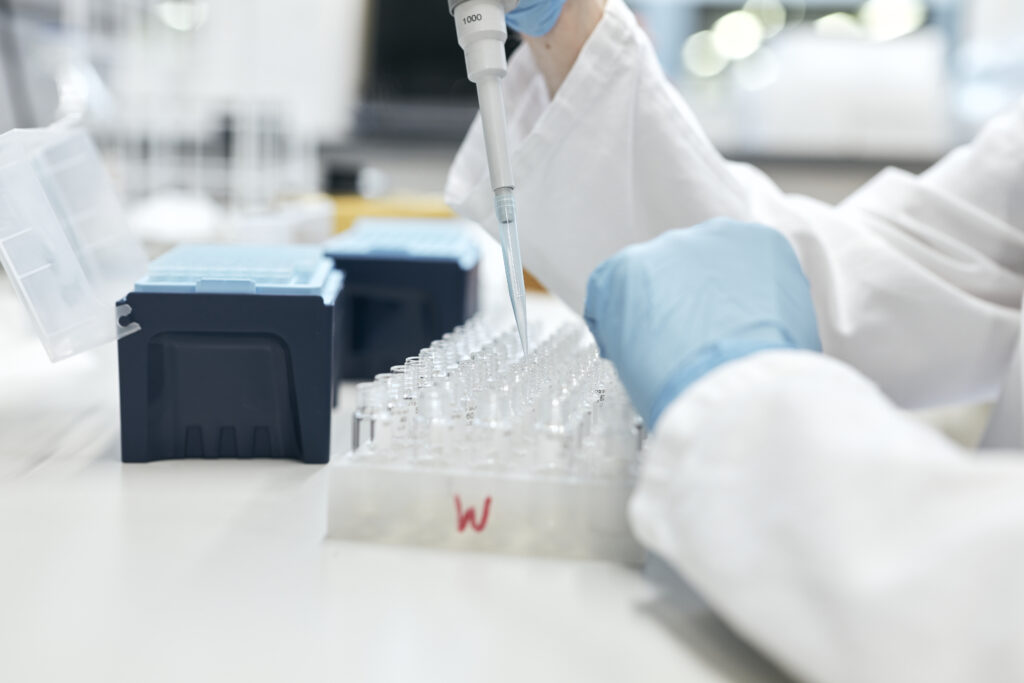
ABF GMBH is a well-respected bioanalytical laboratory whose grant from the Foundation focused on the analysis of biomarkers of exposure and biomarkers of potential harm within clinical and epidemiological studies. Through its grant work with the Foundation, ABF is assessing the body of research on the role of nicotine in human health and medical conditions to provide a summary of the evidence on whether nicotine’s role in the development of a disease is probable, likely, possible, non-existent, or unknown. Additional work also includes the development of a clinical research protocol to evaluate the efficacy of tobacco harm reduction products as tools for smokers to quit combustible tobacco products with a focus on applicability to low- and middle-income countries.
Cornell University’s Foundation grant work examines consumer behavior in response to tobacco harm reduction policies in several countries, including Australia, Indonesia, Malaysia, and the United Kingdom. The research work has yielded several working papers that have been published at the National Bureau of Economic Research, with additional publications pending. Cornell also is developing empirical evidence using cost-benefit analysis to help understand public policies and end smoking in this generation.
The Influence Foundation is a nonprofit organization based in New York. It advocates for harm reduction and many connected causes through journalism, specifically through Filter, the publication it owns and operates. Filter’s mission makes the publication a natural proponent of tobacco harm reduction to save lives, promote public health and address health and human rights disparities. The leading online venue for harm reduction journalism, Filter has attracted over 4.5 million unique direct visitors since its launch in 2018. In 2022, Filter published well over 100 investigative reports, essays, op-eds, interviews and news articles about tobacco harm reduction.
Alternative Research Initiative (ARI) provides researched-based solutions and raises awareness to reduce barriers for smokers to access tools to quit or switch to harm reduction products in Pakistan. With nearly 29 million tobacco users, Pakistan is considered one of the top 15 countries with a heavy burden of diseases because of combustible smoking. In 2022, ARI produced a talk show on Radio Pakistan, the country’s national radio broadcaster, that featured cessation and harm reduction experts, doctors and researchers who spoke directly to smokers who called into the program seeking information about quitting solutions.
Healthy Initiatives is a nonprofit organization that aims to promote and strengthen public health by implementing research and education projects that address the risk of non-communicable diseases, targeting the contributing risk factors like combustible cigarettes in the former Soviet Union region. Their Foundation-funded grant research evaluated smoking cessation and harm reduction support available for smokers and identified education needs. Healthy Initiatives also researched the impact of the illicit cigarette trade on smoking prevalence and revenue. To disseminate its findings, Healthy Initiatives hosted seminars in Ukraine and Georgia with key stakeholders.
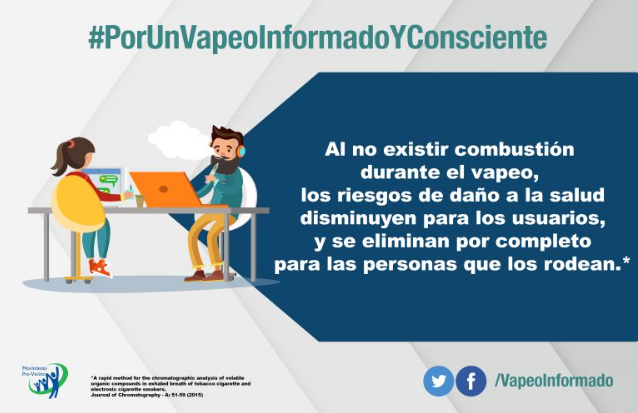
Movimiento Pro Vecino, a nonprofit organization based in Mexico, is raising awareness about tobacco harm reduction (THR) among the regional population in Latin America (Chile, Costa Rica and Brazil) and Mexico. In 2022, the organization hosted seminars with media journalists, healthcare providers and harm reduction organizations to plan effective and efficient strategies that will dispel misinformation about THR. In addition, Movimiento launched a campaign among key stakeholders that included the development and dissemination of evidence-based cessation and THR materials, as well as trainings.

The Centre of Research Excellence: Indigenous Sovereignty & Smoking (COREISS) focuses on tobacco use, tobacco harm reduction, and capacity building in indigenous people worldwide. The centre evaluates and advances knowledge and understanding of tobacco use among high priority/high risk groups; designs and assesses interventions to reduce the harms caused by toxic forms of tobacco used in these groups; and builds indigenous and marginalized peoples’ capacity to effectively respond to the opportunities and issues identified. COREISS published four research studies in 2022.